Suzhou, November 27 — The 2025 International Graduates Academic Forum on AI + Innovative Drug Research was successfully held at Soochow University's Binglin Library on November 27. This high-level academic event brought together experts and postgraduate students to explore the convergence of artificial intelligence and modern drug discovery.
Co-organized by Soochow University, Tsinghua University, the Royal College of Surgeons in Ireland (RCSI), and the University of Macau, the forum focused on cutting-edge topics including AI-driven drug screening, precision cancer therapy, and neurological disease mechanisms.
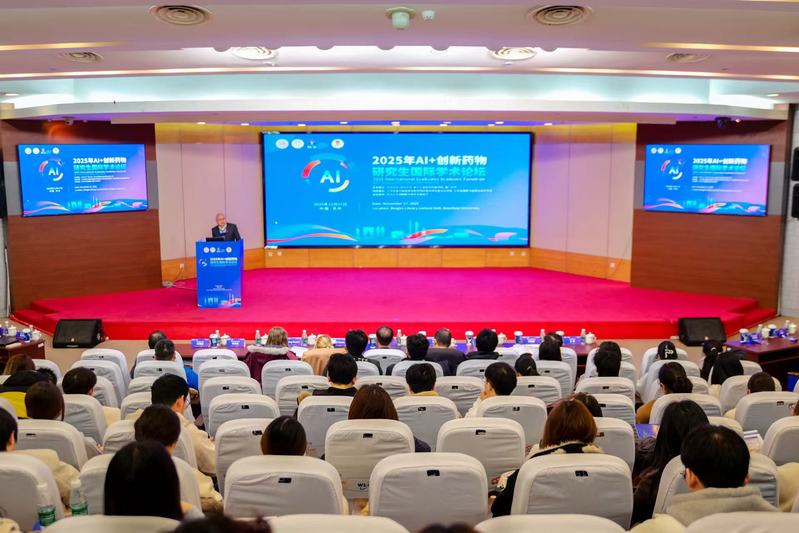
In his opening address, Professor Zhong Zhiyuan, Dean of the College of Pharmaceutical Sciences at Soochow University, welcomed the participants. He highlighted the enduring global importance of the biomedical industry and the growing need for innovative drugs. He outlined Soochow University's integrated "three-in-one" development model—combining the College of Pharmaceutical Sciences, the International College of Pharmaceutical Innovation, and the Suzhou Institute of Innovative Pharmaceuticals—as a fertile ground for talent and research.
"The forum aims to deepen cooperation among our institutions, innovate talent cultivation, and promote the integration of pharmacy with multiple disciplines," stated Professor Zhong, encouraging students to find passion in their pharmaceutical pursuits.
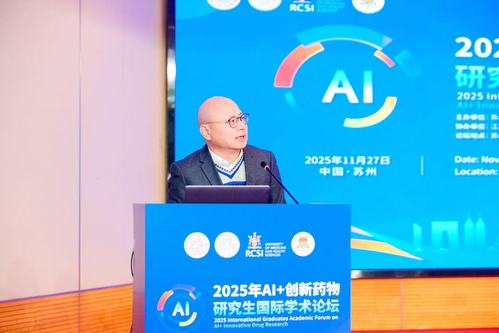
The forum featured two keynote sessions where leading scientists shared groundbreaking research.
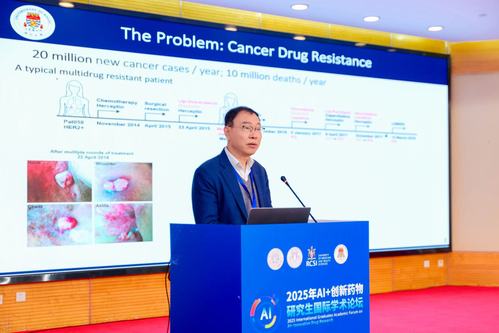
Professor Deng Chuxia from the University of Macau discussed strategies for tackling cancer drug resistance, emphasizing a multi-technology platform developed for common cancers in Macau and the Guangdong-Hong Kong-Macao Greater Bay Area.
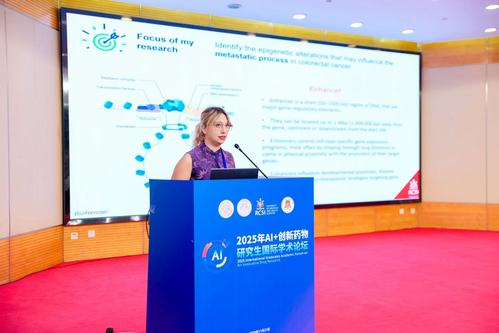
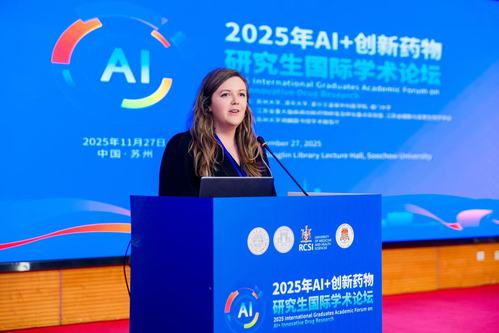
Dr. Flavia Genua from RCSI presented new findings on DNA methylation signatures that could predict colorectal cancer metastasis, offering potential new therapeutic targets.
Professor Liu Xiangyu from Tsinghua University introduced a self-developed, efficient screening technology for G protein-coupled receptor (GPCR) drugs, addressing the high costs and the complexity of traditional methods.
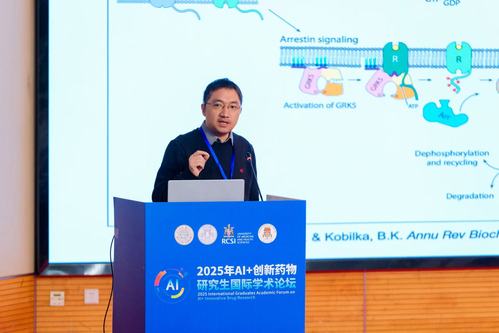
Professor Ma Yuting from the Chinese Academy of Medical Sciences presented the critical interaction between the nervous and immune systems, revealing how stress-related molecules can modulate immune responses.
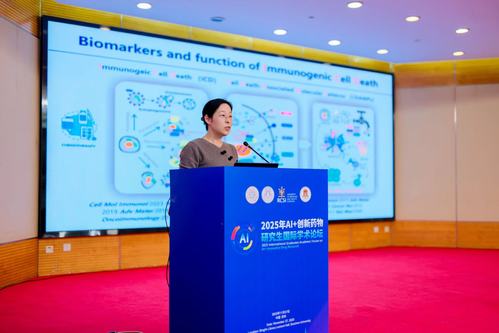
Professor Chen Ligong from Tsinghua University presented on key solute carrier (SLC) transporter proteins. His team found these SLCs can remodel metabolic tissues and, via specific transporters, modulate immune responses by altering metabolic patterns.
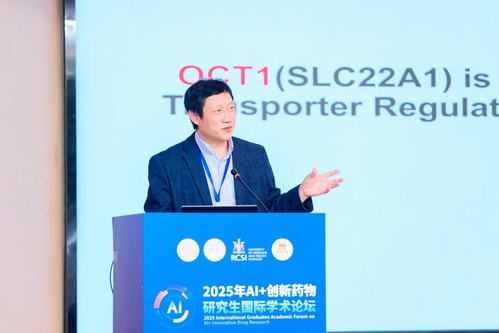
Professor Wang Qiuwen from Soochow University presented her research on bipolar affective disorder. The team discovered that loss of the risk gene Syt7 may disrupt both central nervous and peripheral metabolic signals, identifying a novel potential therapeutic target for the disorder.
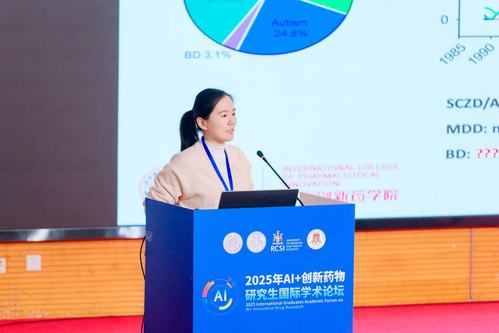
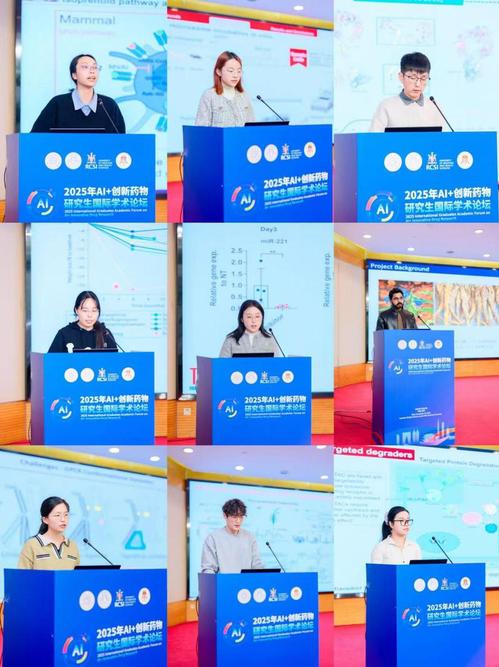
A core highlight was the presentations by 20 master's and doctoral students from the organizing universities. They showcased original research on AI drug design, tumor-targeted delivery, and nucleic acid therapies. A panel of seven experts, including Dr. Aisling Heeran from RCSI, Prof. Wang Shenqiang and Prof. He Hui from Soochow University, served as judges, praising the students' interdisciplinary thinking and scientific achievements.
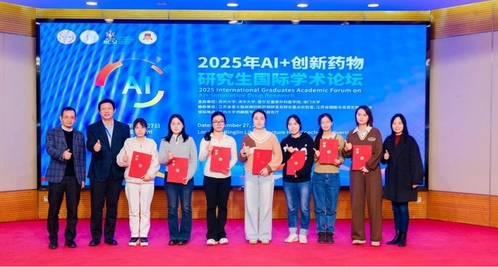
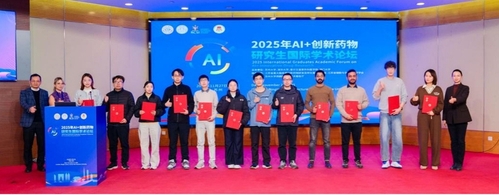
The forum concluded with an award ceremony for the best student presentations. In her closing remarks, Dr. Aisling Heeran commended the students for their excellent work and thanked the experts and organizers.
The event underscored a shared commitment to advancing drug discovery through international collaboration and interdisciplinary science, equipping the next generation of researchers to tackle global health challenges.
Address: Yunxuan building, phase II, Dushu Lake campus, Suzhou University
No. 199, Ren'ai Road, Suzhou Industrial Park, Suzhou, Jiangsu, China
Email: pharm@suda.edu.cn
Tel: 0512-65882089


